Αυτή η απάντηση είναι ελλιπής, και είναι έτσι για το μεγαλύτερο μέρος της ανθρώπινης ιστορίας.
Πολύ πριν ο πολιτισμός σημαίνει ένα εισιτήριο και έναν αριθμό θέσης, σήμαινε κάτι πιο κοντά στην επιβίωση. Ήταν ο τρόπος με τον οποίο ένα χωριό τιμούσε τους νεκρούς του, γιόρταζε τη συγκομιδή, προειδοποιούσε τα παιδιά του, έδινε νόημα σε έναν σκληρό χειμώνα. Η ψυχαγωγία ήταν ένα παράπροϊόν. Η πραγματική λειτουργία του ήταν δομική: ο πολιτισμός ένωνε τους ανθρώπους σε μια μορφή που μπορούσαν να αναγνωρίσουν ως «εμάς».
Σε κάποιο σημείο, αυτή η λειτουργία αντικαταστάθηκε αθόρυβα από μια συναλλαγή. Τώρα αγοράζουμε τον πολιτισμό, όπως αγοράζουμε οτιδήποτε άλλο — μερικές ώρες ευχάριστης απόσπασης της προσοχής, και μετά επιστροφή στο σπίτι. Αξίζει να θέσουμε σωστά το ερώτημα, γιατί η απάντηση αλλάζει τον τρόπο με τον οποίο σκεφτόμαστε τις πόλεις, τις κοινότητες και τις εκδηλώσεις στις οποίες επιλέγουμε να περάσουμε τα βράδια μας.
Ποιος είναι ο πραγματικός σκοπός του πολιτισμού; Όχι με τι μας διασκεδάζει. Τι κάνει.
Πέρα από την ψυχαγωγία
Οι ανθρωπολόγοι που μελετούν τις προ-σύγχρονες κοινωνίες σπάνια εντοπίζουν την ψυχαγωγία ως ξεχωριστή κατηγορία. Αντίθετα, διαπιστώνουν ότι ο πολιτισμός επιτελεί ταυτόχρονα διάφορες λειτουργίες, οι οποίες ενσωματώνονται στο ίδιο γεγονός.
Διατήρησε τις ιστορίες. Πριν από την εμφάνιση της γραφής, οι προφορικές κοινωνίες χρησιμοποιούσαν το τραγούδι, τον ψαλμό και την παράσταση για να διατηρήσουν ζωντανή την ιστορία μιας κοινότητας από γενιά σε γενιά, χωρίς να υπάρχει ούτε ένα έγγραφο για να την καταγράψει. Η ιστορία δεν ήταν απλώς διακοσμητικό στοιχείο. Ήταν το αρχείο.
Δημιούργησε τελετουργίες. Μια τελετουργία είναι μια επαναλαμβανόμενη, συλλογική πράξη που μια ομάδα αναγνωρίζει ως σημαντική. Οι τελετουργίες σηματοδοτούν το χρόνο — την ενηλικίωση, έναν γάμο, τη συγκομιδή — και με αυτόν τον τρόπο δίνουν μορφή στον άμορφο χρόνο. Χωρίς αυτές, ένα έτος δεν είναι παρά η παρέλευση των ημερών. Με αυτές, ένα έτος αποκτά έναν ρυθμό στον οποίο μια κοινότητα μπορεί να κινηθεί από κοινού.
Ενίσχυσε την ταυτότητα. Ο πολιτισμός είναι ένας από τους κύριους τρόπους με τους οποίους μια ομάδα απαντά στο ερώτημα «ποιοι είναι», μέσω της γλώσσας, της ενδυμασίας, της μουσικής, της διατροφής και των κοινών σημείων αναφοράς που δεν μοιράζονται οι ξένοι. Αυτό δεν αποτελεί αποκλεισμό για τον ίδιο τον αποκλεισμό. Είναι το πλαίσιο που καθιστά την αίσθηση του «ανήκειν» κατανοητή.
Και έδωσε στους ανθρώπους έναν τρόπο να γιορτάζουν τα σημαντικά ορόσημα και να αντιμετωπίζουν τα δύσκολα. Γεννήσεις, θάνατοι, νίκες, καταστροφές — οι πολιτισμοί σε όλη την ιστορία δημιούργησαν μορφές ειδικά για να τις περιβάλλουν: ελεγείες, φεστιβάλ, θεατρικά έργα, αγρυπνίες. Μια τελετή κηδείας και ένα φεστιβάλ συγκομιδής δεν μοιάζουν καθόλου μεταξύ τους, αλλά επιτελούν την ίδια βασική λειτουργία. Μετατρέπουν μια ιδιωτική εμπειρία σε κοινή, γεγονός που την καθιστά ευκολότερη να αντέξει κανείς.
Τίποτα από όλα αυτά δεν απαιτούσε ένα κοινό που αναζητούσε διασκέδαση. Απαιτούσε ανθρώπους να παρευρίσκονται επειδή κάτι έπρεπε να τιμηθεί, όλοι μαζί.
Ο πολιτισμός δημιουργεί το αίσθημα του «ανήκειν»
Μια κοινή εμπειρία απομνημονεύεται διαφορετικά από μια ατομική. Αυτό είναι ένα απλό γεγονός, το οποίο όμως παραβλέπεται εύκολα.
Ο κοινωνιολόγος Émile Durkheim περιέγραψε αυτό το φαινόμενο πριν από περισσότερο από έναν αιώνα με την έννοια της «συλλογικής έξαρσης» — της έκρηξης κοινών συναισθημάτων που αναδύεται σε ένα πλήθος κατά τη διάρκεια ενός τελετουργικού, μιας συναυλίας ή μιας τελετής. Την αντιμετώπισε ως μια πραγματική μεταβολή στην ποιότητα της εμπειρίας, κάτι που θα μπορούσε να αναδυθεί σε μια θρησκευτική τελετή, μια πολιτική συγκέντρωση, έναν χορό, μια συναυλία. Μεταγενέστεροι ερευνητές εξειδίκευσαν τον μηχανισμό: το να στέκεσαι απλώς κοντά σε άγνωστους σε μια πολυσύχναστη διασταύρωση δεν το προκαλεί. Απαιτείται οι άνθρωποι να αναγνωρίσουν τον εαυτό τους, έστω και για λίγο, ως μέρος της ίδιας ομάδας. Αυτή είναι η διαχωριστική γραμμή μεταξύ πλήθους και κοινότητας, έστω και για τη διάρκεια ενός βραδιού.
Γι’ αυτό μια συναυλία, μια θεατρική παράσταση ή ένα φεστιβάλ τείνουν να δημιουργούν μια ανάμνηση που διαρκεί περισσότερο από σχεδόν οτιδήποτε απολαμβάνουμε μόνοι μας. Δεν θυμάσαι απλώς το τραγούδι. Θυμάσαι τον άγνωστο δίπλα σου που τραγουδούσε τον ίδιο στίχο, τη σιωπή στο θέατρο ακριβώς πριν συμβεί κάτι. Η ατομική απόλαυση σου προσφέρει περιεχόμενο. Η κοινή εμπειρία σου προσφέρει μια ανάμνηση στην οποία είναι ήδη ενσωματωμένοι άλλοι άνθρωποι.
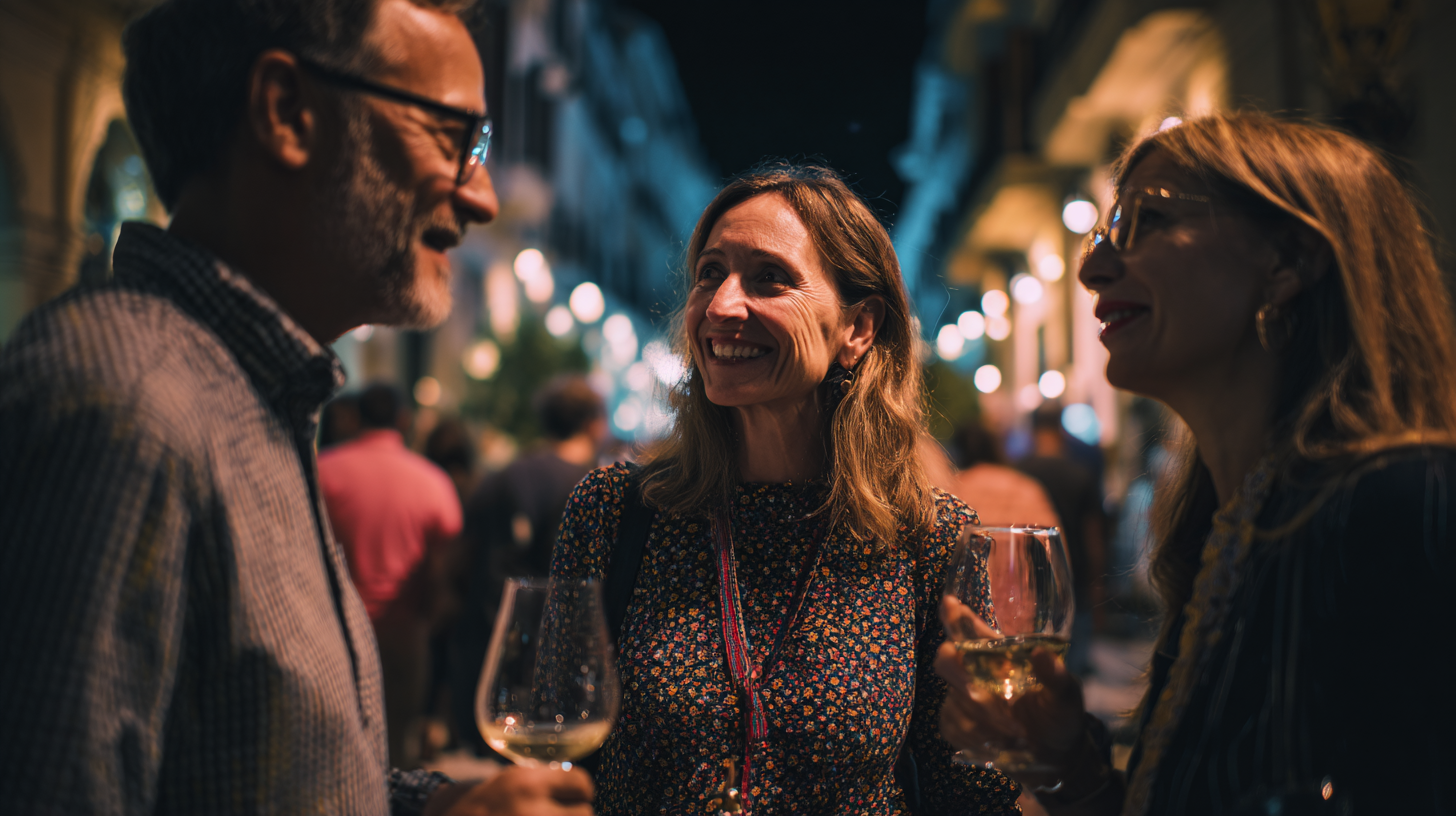
Μπορείς να παρατηρήσεις τον ίδιο μηχανισμό σε πολύ διαφορετικές κλίμακες, σε μορφές που δεν έχουν καμία σχέση με το μάρκετινγκ του θεάτρου. Ένα φεστιβάλ δημιουργεί μια προσωρινή κοινή ταυτότητα γύρω από το γεγονός ότι όλοι όσοι βρίσκονται εκεί θα μπορούν αργότερα να πουν «ήμασταν εκεί». Μια παράδοση της γειτονιάς — ένα φεστιβάλ δρόμου, η γιορτή ενός τοπικού αγίου, ένα πάρτι της γειτονιάς — επιτυγχάνει κάτι παρόμοιο σε μικρότερη, συχνά πιο ισχυρή κλίμακα, ακριβώς επειδή είναι τοπική. Ένα κοινό τραπέζι μετατρέπει τους ξένους σε κάτι πιο κοντά στην οικογένεια, σχεδόν από τότε που υπάρχουν τα τραπέζια. Ακόμη και ένα μουσείο, όσο ήσυχο κι αν είναι, σας καλεί να σταθείτε μπροστά σε κάτι σημαντικό μαζί με άλλους ανθρώπους, αντί να είστε μόνοι στο σπίτι μπροστά σε μια οθόνη.
Ο κοινός παρανομαστής δεν είναι η μορφή τέχνης. Είναι οι άλλοι άνθρωποι, που βρίσκονται φυσικά παρόντες, την ίδια στιγμή, και νιώθουν κάτι παρόμοιο με αυτό που νιώθετε εσείς.
Το κόστος της απώλειας του πολιτισμού
Αυτό έχει μεγαλύτερη σημασία σήμερα, επειδή η υποδομή για την κοινή εμπειρία έχει υποστεί σιωπηρή διάβρωση, όχι εξαιτίας κάποιου συγκεκριμένου «κακού», αλλά επειδή η σύγχρονη ζωή έχει στραφεί προς το ιδιωτικό και το παθητικό.
Τα στοιχεία είναι αποκαλυπτικά. Σε 148 μελέτες με μέση διάρκεια παρακολούθησης 7,5 ετών, οι ισχυροί κοινωνικοί δεσμοί συσχετίστηκαν με αύξηση κατά 50% των πιθανοτήτων επιβίωσης. Από την άλλη πλευρά, περίπου οι μισοί ενήλικες στις ΗΠΑ αναφέρουν ότι βιώνουν μοναξιά, ενώ το ποσοστό των μονομελών νοικοκυριών έχει υπερδιπλασιαστεί από το 1960. Δεν πρόκειται για μια περιθωριακή παρατήρηση σχετικά με την ψυχική υγεία. Ο Γενικός Χειρουργός των ΗΠΑ το έχει ονομάσει επίσημα «επιδημία μοναξιάς και απομόνωσης», καθώς οι ανεπαρκείς κοινωνικές σχέσεις συνδέονται με 29% υψηλότερο κίνδυνο καρδιακών παθήσεων και 32% υψηλότερο κίνδυνο εγκεφαλικού επεισοδίου.
Τίποτα από όλα αυτά δεν έχει να κάνει πραγματικά με τα τηλέφωνα, το streaming ή οποιαδήποτε μεμονωμένη τεχνολογία. Είναι πιο χρήσιμο να ρωτήσουμε τι λείπει παρά τι φταίει. Ο κοινωνιολόγος Ray Oldenburg έδωσε ένα όνομα στο κομμάτι που λείπει δεκαετίες πριν ο όρος «επιδημία μοναξιάς» εισέλθει στο λεξιλόγιο: ο «τρίτος χώρος». Τον όρισε ως το ευρύ φάσμα των δημόσιων χώρων που φιλοξενούν την τακτική, εθελοντική και με χαρά αναμενόμενη συνάθροιση ανθρώπων, εκτός των υποχρεώσεων του σπιτιού και της εργασίας. Τα σημεία συνάντησης με τοπικές ρίζες και ανεξάρτητη διαχείριση, υποστήριξε, τείνουν να στηρίζουν μια κοινότητα πολύ καλύτερα από τις αλυσίδες καταστημάτων, οι οποίες αποσπούν αξία από τις γειτονιές γύρω τους.
Αυτό που εξαφανίζεται δεν είναι κάποιος συγκεκριμένος χώρος. Είναι η ίδια η κατηγορία. Το καφενείο της γωνίας που ήξερε τι παραγγέλνεις. Ο κινηματογράφος της γειτονιάς. Η αίθουσα που φιλοξενούσε τον ίδιο χορό κάθε φθινόπωρο για σαράντα χρόνια. Καθώς αυτά υποχωρούν, ένα προς ένα, υπέρ πιο αποδοτικών και πιο μοναχικών υποκατάστατων, κάτι δομικό χάνεται — όχι η ψυχαγωγία, αλλά η αξιόπιστη, επαναλαμβανόμενη δικαιολογία για να βρίσκεσαι σε έναν χώρο με άλλους ανθρώπους, χωρίς βιασύνη, σκόπιμα.
Η παθητική ψυχαγωγία γεμίζει τις ώρες μια χαρά. Απλώς δεν κάνει τη δεύτερη δουλειά, τη δουλειά της αίσθησης του «ανήκειν», την οποία ο πολιτισμός πάντα διαχειριζόταν σιωπηλά κάτω από την ψυχαγωγία.
Το μέλλον του πολιτισμού
Αν η πραγματική λειτουργία του πολιτισμού είναι η αίσθηση του «ανήκειν» και όχι η ψυχαγωγία, οι οργανισμοί που θα διαμορφώνουν τον πολιτισμό την επόμενη δεκαετία θα έχουν διαφορετικό ρόλο από τους προκατόχους τους.
Το παλιό μοντέλο αντιμετωπίζει μια βραδιά ως μια μεμονωμένη συναλλαγή: μια παράσταση, μια αρχή και ένα τέλος, και μετά όλοι διαλύονται. Ένα πιο ενδιαφέρον μοντέλο αντιμετωπίζει μια βραδιά ως μια ολοκληρωμένη εμπειρία, όπου η παράσταση αποτελεί ένα μέρος ενός ευρύτερου συνόλου που περιλαμβάνει την άφιξη, τη φιλοξενία, τη συζήτηση και την αναχώρηση, όλα σχεδιασμένα με την ίδια πρόθεση.
Αυτό σημαίνει να σκεφτόμαστε λιγότερο ως χώρος εκδηλώσεων και περισσότερο ως οικοδεσπότης. Η συζήτηση στο φουαγιέ πριν την έναρξη της παράστασης, το γεύμα που μοιράζονται οι θεατές μετά, ο τρόπος με τον οποίο άγνωστοι καταλήγουν να κάθονται ο ένας δίπλα στον άλλο, δεν είναι περιφερειακά στοιχεία της πολιτιστικής εμπειρίας. Ένα σημαντικό μέρος της αίσθησης του «ανήκειν» συμβαίνει στην πραγματικότητα εκεί. Η αφήγηση ιστοριών εξακολουθεί να έχει τεράστια σημασία, αλλά η αφήγηση ιστοριών σε συνδυασμό με γνήσια φιλοξενία, σε έναν χώρο σχεδιασμένο ώστε οι άνθρωποι να συναντιούνται πραγματικά μεταξύ τους, επιτυγχάνει κάτι που ένα σενάριο από μόνο του δεν μπορεί. Μετατρέπει το κοινό σε κάτι που μοιάζει περισσότερο με μια προσωρινή κοινότητα.
Οι πόλεις που το κατανοούν αυτό τείνουν να προσφέρουν μια διαφορετική εμπειρία διαβίωσης. Υπάρχουν περισσότεροι λόγοι για να βγεις από το σπίτι μια Τρίτη, περισσότερες μικρές, επαναλαμβανόμενες στιγμές επαφής μεταξύ αγνώστων που σιγά-σιγά παύουν να είναι άγνωστοι. Αυτό, τελικά, είναι το πραγματικό νόημα μιας πολιτιστικής πόλης ή μιας συνδεδεμένης κοινωνίας στην πράξη. Όχι περισσότερο περιεχόμενο. Περισσότεροι καλά σχεδιασμένοι λόγοι για να συγκεντρωθούμε.
Ο πολιτισμός δεν είναι μια απόδραση από την καθημερινότητα
Ο πολιτισμός δεν είναι αυτό που κάνεις για να ξεφύγεις από τη ζωή σου. Είναι ένα από τα πράγματα που δίνουν σχήμα στη ζωή σου — το τελετουργικό που σηματοδοτεί μια εποχή, το τραπέζι που μετατρέπει τους γείτονες σε φίλους, η αίθουσα γεμάτη άγνωστους που, για δύο ώρες, αποτελούν σιωπηλά το ίδιο πλήθος.
Μια κοινωνία που συνεχίζει να δημιουργεί χώρους όπου οι άνθρωποι συγκεντρώνονται σκόπιμα, χτίζει κάτι πιο διαρκές από μια βραδινή έξοδο. Χτίζει τον συνδετικό ιστό μιας λειτουργικής πόλης, μια κοινή βραδιά τη φορά.