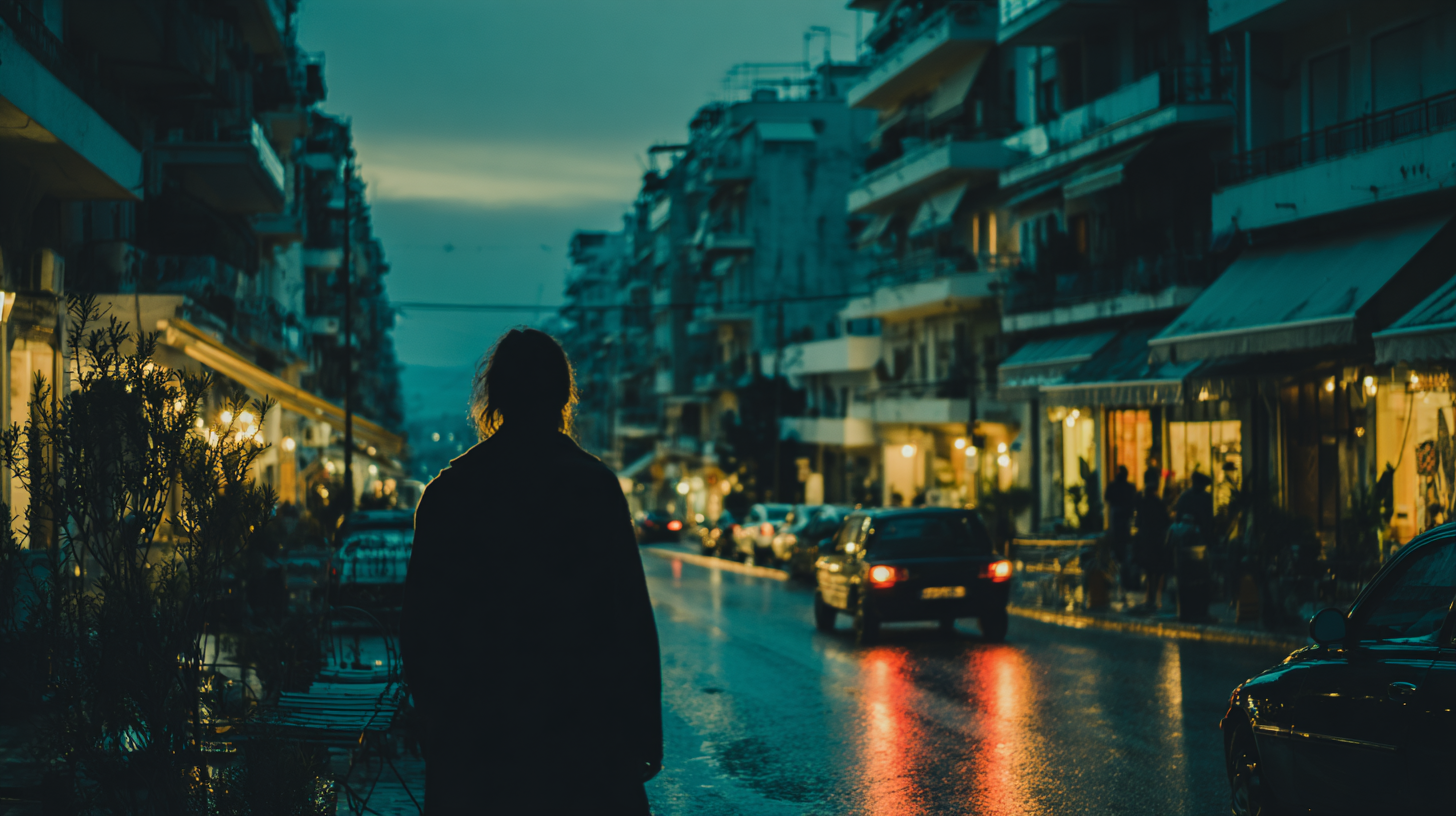
Η επικοινωνία έχει γίνει άμεση. Η αίσθηση του «ανήκειν» όμως δεν έχει ακολουθήσει.
Ο Παγκόσμιος Οργανισμός Υγείας αντιμετωπίζει πλέον το ζήτημα αυτό ως θέμα δημόσιας υγείας. Η Επιτροπή του για τις Κοινωνικές Σχέσεις εκτιμά ότι περίπου ένας στους έξι ανθρώπους παγκοσμίως βιώνει μοναξιά και συνδέει αυτή την κατάσταση με περίπου 871.000 θανάτους ετησίως, ένας αριθμός συγκρίσιμος με το κάπνισμα ή την παχυσαρκία ως κίνδυνο σε επίπεδο πληθυσμού. Το πραγματικό ερώτημα δεν είναι αν η επιδημία αυτή είναι πραγματική. Είναι το γιατί, με περισσότερους τρόπους επικοινωνίας μεταξύ μας από οποιαδήποτε προηγούμενη γενιά, τόσοι πολλοί άνθρωποι εξακολουθούν να αισθάνονται απομονωμένοι.
Η επιδημία της μοναξιάς
Η μοναξιά δεν είναι απλώς κακή διάθεση. Οι ερευνητές τη διακρίνουν από την κοινωνική απομόνωση, η οποία αποτελεί το αντικειμενικό γεγονός της ύπαρξης λίγων σχέσεων ή αλληλεπιδράσεων. Η μοναξιά είναι υποκειμενική: το χάσμα μεταξύ της σύνδεσης που έχεις και της σύνδεσης που επιθυμείς. Κάποιος μπορεί να νιώθει μοναξιά σε ένα δωμάτιο γεμάτο κόσμο. Κάποιος άλλος μπορεί να ζει μόνος και να αισθάνεται απόλυτα ικανοποιημένος.
Και οι δύο καταστάσεις έχουν μετρήσιμο κόστος. Η έκθεση του Γενικού Χειρουργού των ΗΠΑ για το 2023 διαπίστωσε ότι η έλλειψη κοινωνικών δεσμών αυξάνει τον κίνδυνο πρόωρου θανάτου κατά σχεδόν ένα τρίτο, συγκρίνοντας τις επιπτώσεις στην υγεία με το κάπνισμα έως και δεκαπέντε τσιγάρων την ημέρα. Τα κοινωνικά απομονωμένα άτομα αντιμετωπίζουν υψηλότερο κίνδυνο καρδιακής προσβολής και εγκεφαλικού επεισοδίου. Η μοναξιά διπλασιάζει περίπου την πιθανότητα κατάθλιψης και έχει συνδεθεί με αυξημένο κίνδυνο άνοιας, άγχους και αυτοτραυματισμού.
Η τάση αυτή δεν περιορίζεται σε μία μόνο χώρα ή ηλικιακή ομάδα. Η έκθεση του ΠΟΥ διαπίστωσε ότι η μοναξιά είναι υψηλότερη στους εφήβους, φτάνοντας σχεδόν το 21%, ενώ οι έφηβοι και οι νεαροί ενήλικες αναφέρουν μεγαλύτερη μοναξιά σε σύγκριση με τους ενήλικες μεγαλύτερης ηλικίας, κάτι που ανατρέπει την παλιά αντίληψη ότι η απομόνωση αποτελεί κυρίως πρόβλημα της γήρανσης. Στις Ηνωμένες Πολιτείες, η έκθεση του Γενικού Χειρουργού διαπίστωσε ότι ο χρόνος που περνούν οι άνθρωποι μόνοι τους είχε αυξηθεί απότομα από τις αρχές της δεκαετίας του 2000 και ότι το ποσοστό των Αμερικανών που δήλωναν ότι είχαν μόνο λίγους στενούς φίλους είχε αυξηθεί σημαντικά κατά τη διάρκεια των τριών τελευταίων δεκαετιών. Στην Αγγλία, η μοναξιά μεταξύ των ενηλίκων άνω των πενήντα ετών έχει αυξηθεί κατά περίπου το ήμισυ τα τελευταία δέκα χρόνια.
Το οικονομικό κόστος ακολουθεί το ίδιο μοτίβο. Η μειωμένη παραγωγικότητα και η εναλλαγή προσωπικού που συνδέονται με τη μοναξιά κοστίζουν στους εργοδότες δισεκατομμύρια ετησίως, σύμφωνα με έρευνα που επικαλείται η Επιτροπή του ΠΟΥ. Αυτό αντανακλάται στις εισαγωγές σε νοσοκομεία, στις ημέρες αναρρωτικής άδειας και σε μια γενική αποδυνάμωση της κοινωνικής ζωής.
Οι άνθρωποι δεν έχουν χάσει την ικανότητά τους να δημιουργούν σχέσεις. Οι συνθήκες που παλαιότερα τις δημιουργούσαν, αξιόπιστα και χωρίς μεγάλη προσπάθεια, έχουν σε μεγάλο βαθμό εξαφανιστεί.
Γιατί η σύγχρονη ζωή δυσκολεύει τις σχέσεις
Η τεχνολογία δεν είναι ο κακός εδώ. Είναι ένα εργαλείο και κάνει πολύ καλά αυτό για το οποίο δημιουργήθηκε. Απλώς δεν δημιουργήθηκε για να κάνει τα πάντα.
Διάφορες δυνάμεις έχουν συγκλίνει τις τελευταίες δεκαετίες, με τέτοιο ρυθμό που οι περισσότεροι άνθρωποι δεν αντιλήφθηκαν την αλλαγή μέχρι να έχει σχεδόν ολοκληρωθεί. Η εξ αποστάσεως και η υβριδική εργασία αφαίρεσαν τις τυχαίες επαφές ενός κοινού γραφείου: τη συζήτηση στο διάδρομο, τη βόλτα για καφέ, τις μικρές κουβέντες που συνήθιζαν να οδηγούν σε πραγματική φιλία. Η συμμετοχή στα κοινά μειώνεται σταθερά εδώ και δεκαετίες. Λιγότεροι άνθρωποι ανήκουν σε συλλόγους, συνδικάτα, εκκλησιαστικές κοινότητες ή αθλητικές ομάδες σε σύγκριση με την προηγούμενη γενιά, και μαζί με αυτή τη μείωση χάθηκε μια ολόκληρη κατηγορία εύκολων, επαναλαμβανόμενων συναθροίσεων.
Η ψηφιακή επικοινωνία έχει καλύψει μέρος αυτού του κενού, αλλά μόνο μέρος. Είναι πολύ καλή στο να διατηρεί δεσμούς παρά την απόσταση, αλλά λιγότερο καλή στο να δημιουργεί νέους. Μια σειρά μηνυμάτων μπορεί να διατηρήσει μια φιλία που ήδη υπάρχει· σπάνια δημιουργεί μια από το μηδέν. Οι αλγοριθμικές ροές έχουν σχεδιαστεί για να κρατούν την προσοχή, όχι για να παρέχουν συντροφιά, και ένα βράδυ που περνάει με το scrolling μπορεί να περάσει χωρίς κανείς να νιώσει ότι έχει παρέα.
Και η γεωγραφία παίζει ρόλο. Η έννοια του «τρίτου χώρου» που διατύπωσε ο κοινωνιολόγος Ρέι Όλντενμπουργκ —ένα μέρος που δεν είναι ούτε το σπίτι ούτε ο χώρος εργασίας, όπου οι άνθρωποι συγκεντρώνονται ανεπίσημα και συχνά— έχει γίνει πιο δύσκολο να βρεθεί σε πολλές πόλεις. Τα καφέ, τα μαγαζιά της γειτονιάς, οι δημόσιες πλατείες και τα μπαρ της γειτονιάς συνήθιζαν να εκπληρώνουν αυτόν τον ρόλο απλώς και μόνο επειδή ήταν μέρη στα οποία οι άνθρωποι επέστρεφαν αρκετά συχνά ώστε να γίνονται οικείοι. Καθώς οι πόλεις έχουν γίνει πιο πολυάσχολες και πιο εφήμερες, και καθώς πολλά από αυτά τα μέρη έχουν κλείσει ή έχουν αλλάξει χέρια, αυτή η αίσθηση του να είσαι γνωστός στη δική σου γειτονιά έχει γίνει πιο σπάνια.
Ο πιο πολυάσχολος τρόπος ζωής επιτείνει το πρόβλημα. Οι μακρύτερες μετακινήσεις, οι περισσότερες ώρες εργασίας και το γενικό διοικητικό βάρος της σύγχρονης ζωής αφήνουν λιγότερο ελεύθερο χρόνο, εκείνο το είδος χρόνου κατά το οποίο δημιουργούνται πραγματικά φιλίες, στα κενά και όχι στο ημερολόγιο.
Οι άνθρωποι δεν έχουν σταματήσει να επιθυμούν την επαφή. Αυτό που έχει εξαφανιστεί είναι οι ανεμπόδιστες, επαναλαμβανόμενες καταστάσεις που συνήθιζαν να την δημιουργούν ως παρενέργεια του απλού γεγονότος ότι ζούσαν κάπου.
Γιατί οι κοινές εμπειρίες έχουν σημασία
Ορισμένα βράδια μένουν χαραγμένα στη μνήμη των ανθρώπων για χρόνια, ενώ ολόκληροι μήνες συγχέονται μεταξύ τους: μια συναυλία, ένα μεγάλο γεύμα με παλιούς φίλους, ένα φεστιβάλ που κράτησε μέχρι πολύ αργά, ένα ταξίδι που πήγε λίγο στραβά, με έναν τρόπο που έγινε η ιστορία που διηγούνταν μετά.
Αυτό το φαινόμενο έχει ένα όνομα. Βασιζόμενοι στην εκατονταετή ιδέα του Émile Durkheim για τη «συλλογική έξαρση», ερευνητές που μελετούν τις ομαδικές συγκεντρώσεις έχουν διαπιστώσει ότι όταν οι άνθρωποι βιώνουν έντονα συναισθήματα μαζί, σε φυσική εγγύτητα, με κοινό επίκεντρο και συγχρονισμένες αντιδράσεις, δημιουργείται μια ξεχωριστή αίσθηση σύνδεσης με τους άλλους και με κάτι μεγαλύτερο από το ατομικό εαυτό. Πρόσφατες μελέτες σχετικά με αυτόν τον «αντιληπτό συναισθηματικό συγχρονισμό» τον συνδέουν με την ευημερία, τους κοινωνικούς δεσμούς και μια αίσθηση προσωπικής ανάπτυξης που διαρκεί περισσότερο από το ίδιο το γεγονός.
Αυτό βοηθά να εξηγηθεί γιατί οι αναμνήσεις που δημιουργούνται με άλλους ανθρώπους τείνουν να διαρκούν περισσότερο από τις αναμνήσεις που δημιουργούνται μόνος. Τα συναισθήματα που μοιράζονται σε πραγματικό χρόνο φαίνεται να κωδικοποιούνται διαφορετικά από αυτά που βιώνονται ατομικά. Το γέλιο που απλώνεται σε ένα δωμάτιο, η συλλογική ανάσα κατά τη διάρκεια μιας ζωντανής παράστασης, η κοινή ανακούφιση όταν κάτι τελικά καταλήγει καλά: αυτές οι στιγμές ενισχύονται από την παρουσία άλλων που τις βιώνουν ταυτόχρονα. Μια συναυλία που παρακολουθείται μέσω οθόνης και μια συναυλία που βιώνεται δίπλα-δίπλα με μερικές χιλιάδες άγνωστους δεν είναι στην πραγματικότητα το ίδιο γεγονός, ακόμη και με πανομοιότυπο ήχο.
Αυτός είναι και ο λόγος για τον οποίο οι άνθρωποι σπάνια μετανιώνουν που ξόδεψαν χρήματα για αυτές τις βραδιές, ακόμα και όταν έχουν ξεχάσει το κόστος. Οι εμπειρίες δεν ξεθωριάζουν όπως συμβαίνει συχνά με τα υλικά αγαθά. Ένα δείπνο που κράτησε μέχρι αργά, ένα ταξίδι που δεν πήγε σύμφωνα με το σχέδιο, μια βραδιά που εξελίχθηκε σε κάτι περισσότερο από το αναμενόμενο: όλα αυτά γίνονται μέρος του τρόπου με τον οποίο οι άνθρωποι περιγράφουν τη ζωή τους, κάτι που σπάνια συμβαίνει με μια αγορά.
Αυτό δεν απαιτεί μεγαλοπρέπεια. Μικρές, επαναλαμβανόμενες συγκεντρώσεις, ένα εβδομαδιαίο δείπνο, μια τακτική συνάντηση, ένα γειτονικό έθιμο, δημιουργούν με την πάροδο του χρόνου τον ίδιο δεσμό που μπορεί να δημιουργήσει μια μεμονωμένη, εντυπωσιακή βραδιά μεμιάς. Αυτό που έχουν κοινό και τα δύο είναι η παρουσία: άνθρωποι που δίνουν προσοχή στο ίδιο πράγμα, μαζί, την ίδια στιγμή.
Η φιλοξενία ως μορφή πολιτισμού
Η φιλοξενία συχνά περιορίζεται στην παροχή υπηρεσιών: καλό φαγητό, καθαρό δωμάτιο, φιλικό καλωσόρισμα. Στην καλύτερη περίπτωση, όμως, επιτελεί κάτι πιο συγκεκριμένο. Δημιουργεί ένα κλίμα αποδοχής.
Το να μπαίνεις για πρώτη φορά σε ένα μπαρ, ένα εστιατόριο ή έναν χώρο διασκέδασης ενέχει ένα μικρό κοινωνικό ρίσκο. Η καλή φιλοξενία εξαλείφει αυτό το ρίσκο πριν καν το αισθανθείς. Σηματοδοτεί, μέσω μικρών και συνεπών ενδείξεων, ότι αυτός είναι ένας χώρος όπου επιτρέπεται στους ξένους να γίνουν λίγο λιγότερο ξένοι, όπου το να καθίσεις στο κοινό τραπέζι, να ξεκινήσεις μια συζήτηση με τον διπλανό σου ή να παραμείνεις μετά το γεύμα είναι κάτι που αναμένεται και όχι απλώς ανεκτό.
Αυτός είναι ο λόγος για τον οποίο ορισμένες πόλεις και γειτονιές φαίνονται πιο φιλόξενες από άλλες που, θεωρητικά, διαθέτουν εξίσου καλούς διαθέσιμους πόρους. Η διαφορά συνήθως δεν έγκειται στο φαγητό ή στην αρχιτεκτονική. Έχει να κάνει με το αν ο χώρος έχει σχεδιαστεί, σκόπιμα ή όχι, ώστε να μειώσει το κόστος της αλληλεπίδρασης μεταξύ ανθρώπων που δεν γνωρίζονται ήδη μεταξύ τους.
Οι ανθρωπολόγοι που μελετούν τη φιλοξενία σε διάφορους πολιτισμούς έχουν από καιρό επισημάνει ότι η υποδοχή ενός ξένου αποτελεί μία από τις παλαιότερες και πιο διαδεδομένες κοινωνικές πρακτικές των ανθρώπων, παλαιότερη από τους περισσότερους θεσμούς μας και, κατά πάσα πιθανότητα, πιο ανθεκτική από πολλούς εξ αυτών. Διατηρείται επειδή επιλύει ένα πρόβλημα που καμία ψηφιακή υποδομή δεν έχει καταφέρει να λύσει: πώς να κάνουμε τους ανθρώπους, με ασφάλεια και ευχαρίστηση, να χαλαρώσουν την επιφυλακή τους ο ένας απέναντι στον άλλο.
Οι πόλεις που το καταφέρνουν αυτό τείνουν να διαθέτουν περισσότερο από αυτό που οι ερευνητές αποκαλούν «γεφυρωτικό» κοινωνικό κεφάλαιο, δηλαδή τους χαλαρούς, διατομεακούς δεσμούς μεταξύ ανθρώπων που διαφορετικά δεν θα συναντιόνταν, σε αντίθεση με τους στενότερους «δεσμούς σύνδεσης» που υπάρχουν εντός των οικογενειών και των υφιστάμενων ομάδων φίλων. Οι γεφυρωτικοί δεσμοί είναι, κατά γενική ομολογία, αυτοί που διαβρώνονται ταχύτερα σε μια πολυάσχολη, ψηφιακά μεσολαβούμενη ζωή. Είναι επίσης αυτοί που η καλή φιλοξενία είναι σε καλύτερη θέση να ανασυγκροτήσει.
Χρειαζόμαστε καλύτερους λόγους για να βγούμε από το σπίτι
Αν η μοναξιά αποτελεί σε μεγάλο βαθμό παράπλευρο αποτέλεσμα της εξαφάνισης των «τρίτων χώρων», της μείωσης της συμμετοχής στα κοινά και των λιγότερων ευκαιριών για τους ξένους να γίνουν γνωστοί μεταξύ τους, τότε η λύση πρέπει να λειτουργήσει σε επίπεδο πόλης και ημερολογίου, όχι μόνο σε ατομικό επίπεδο.
Αυτό σημαίνει περισσότερους χώρους συνάντησης σχεδιασμένους για να παραμένει κανείς εκεί παρά για να περνάει απλώς από εκεί. Περισσότερες πολιτιστικές εκδηλώσεις που επαναλαμβάνονται αρκετά συχνά ώστε να δημιουργήσουν το είδος της οικειότητας που μετατρέπει ένα δωμάτιο γεμάτο ξένους σε κάτι πιο κοντά σε μια κοινότητα. Περισσότερες βραδιές για τις οποίες αξίζει πραγματικά να βγούμε από το σπίτι, όχι ως περιστασιακή απόλαυση αλλά ως φυσιολογικό μέρος του τρόπου με τον οποίο οι άνθρωποι περνούν τον χρόνο τους.
Δεν πρόκειται περί συνεχούς καινοτομίας. Η καινοτομία είναι κουραστική και δεν δημιουργεί το αίσθημα του «ανήκειν» που προκύπτει από το να επιστρέφεις κάπου και να σε αναγνωρίζουν. Αυτό που έχει μεγαλύτερη σημασία είναι η αξιοπιστία: μια βραδιά που λαμβάνει χώρα την ίδια ώρα κάθε εβδομάδα, ένας χώρος όπου αρχίζουν να εμφανίζονται τα ίδια πρόσωπα, ένα έθιμο αρκετά σταθερό ώστε οι άνθρωποι να χτίζουν τμήματα της ζωής τους γύρω από αυτό.
Από αυτή την οπτική γωνία, οι ουσιαστικές αναλογικές εμπειρίες παύουν να μοιάζουν με πολυτέλεια για όσους διαθέτουν ελεύθερο χρόνο και χρήματα. Αρχίζουν να μοιάζουν περισσότερο με αστική υποδομή, πιο κοντά στα μέσα μαζικής μεταφοράς ή στα πάρκα παρά στη διασκέδαση. Μια πόλη με αρκετούς καλούς λόγους για να βγει κανείς από το σπίτι τείνει να επιβαρύνεται λιγότερο με τα κόστη που ο Παγκόσμιος Οργανισμός Υγείας (WHO) και ο Γενικός Χειρουργός έχουν περάσει χρόνια καταγράφοντας, και να διαθέτει περισσότερη ανθεκτικότητα, η οποία πηγάζει από ανθρώπους που γνωρίζουν πραγματικά τους γείτονές τους.
Αυτό δεν σημαίνει ότι πρέπει να εγκαταλείψουμε το κινητό μας ή να αποκηρύξουμε την ευκολία. Σημαίνει να επιλέγουμε, αρκετά συχνά ώστε να έχει σημασία, να το αφήνουμε στην άκρη και να βγαίνουμε έξω.
Συμπέρασμα
Η επιδημία της μοναξιάς δεν είναι στην πραγματικότητα μια ιστορία για την αποτυχία της τεχνολογίας. Είναι μια ιστορία για ένα σύνολο καθημερινών δομών — «τρίτων χώρων», ομάδων πολιτών, επαναλαμβανόμενων τελετουργιών — που εξαφανίζονται πριν προλάβει να δημιουργηθεί οτιδήποτε άλλο για να τις αντικαταστήσει.
Η λύση, ευτυχώς, δεν είναι εξωτική. Δεν απαιτεί νέους θεσμούς ή νέες εφευρέσεις. Απαιτεί αυτό που οι άνθρωποι πάντα χρειάζονταν: επαναλαμβανόμενους λόγους για να βρίσκονται σε ένα δωμάτιο με άλλους ανθρώπους, νιώθοντας κάτι ταυτόχρονα.
Η ανασυγκρότηση των σχέσεων πιθανότατα δεν θα προέλθει από μια μεγαλοπρεπή λύση. Θα προέλθει από μικρότερες, επαναλαμβανόμενες επιλογές: την έξοδο το βράδυ αντί της παραμονής στο σπίτι, το κοινό τραπέζι αντί του μοναχικού, την εμπειρία που απαιτεί κάτι από εσάς αντί για εκείνη που δεν απαιτεί τίποτα. Οι πόλεις που διευκολύνουν αυτές τις επιλογές τείνουν, με την πάροδο του χρόνου, να γίνονται μέρη στα οποία οι άνθρωποι πραγματικά θέλουν να ανήκουν.
Αυτό, περισσότερο από οποιαδήποτε εφαρμογή ή συμβουλή, είναι το πιθανότερο να μοιάζει η θεραπεία για τη μοναξιά.
Προτεινόμενες πηγές:
World Health Organization — Report of the WHO Commission on Social Connection (June 2025): https://www.who.int/groups/commission-on-social-connection/report
U.S. Surgeon General — Our Epidemic of Loneliness and Isolation (2023 Advisory): https://www.hhs.gov/sites/default/files/surgeon-general-social-connection-advisory.pdf
OECD — "How's Life?" well-being reports on social connection and community infrastructure: https://www.oecd.org/en/topics/policy-issues/well-being-and-life-satisfaction.html